When shopping for digital night vision goggles, it's easy to focus on specifications like viewing range, resolution, or digital zoom.
However, these numbers don't always tell you how a device performs outdoors.
Real-world conditions are constantly changing, and that's where a night vision device is truly put to the test.
Here's what you should look for when comparing different models.
Don't Judge Performance by Marketing Photos Alone
Product photos and promotional videos are often captured under carefully controlled conditions.
While they can demonstrate general image quality, they don't always represent what you'll experience outdoors.
Actual performance depends on many factors, including:
- Available ambient light
- Weather conditions
- Viewing distance
- IR brightness
- User settings
Looking for field demonstrations and real customer footage can provide a more realistic picture of how a device performs.
Weather Makes a Difference
Night vision performance changes with the environment.
Fog, rain, dust, and humidity can all reduce image clarity by affecting how infrared light travels.
Even the clearest night vision goggles will perform differently on a dry, clear evening than during heavy fog or rain.
When comparing products, consider whether the manufacturer discusses performance in different outdoor conditions rather than only ideal scenarios.
Moving Subjects Are More Challenging
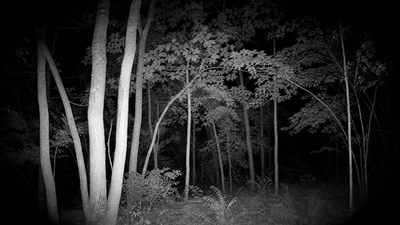
Observing a stationary tree is very different from tracking a moving animal.
Movement, distance, and changing lighting conditions all affect image quality.
If you're purchasing night vision goggles for wildlife observation, hunting, or property monitoring, look for demonstrations that include moving subjects rather than only static images.
Bright Light Can Affect Digital Night Vision
Vehicle headlights, flashlights, and other bright light sources can temporarily affect image quality.
Modern digital night vision devices are designed to recover quickly once the bright light disappears, but recovery may vary depending on the sensor and image processing.
Understanding how a device performs in mixed lighting conditions is often more valuable than looking only at maximum viewing distance.
Compare Practical Features
Instead of focusing only on the biggest advertised numbers, consider practical features such as:
- Viewing range
- Battery life
- Infrared illumination
- Image recording
- Ease of focusing
- Weather resistance
- Comfort during extended use
Together, these features have a much greater impact on everyday performance than any single specification.
Questions Worth Asking Before You Buy
Before choosing a night vision device, consider asking:
- Does the manufacturer explain how viewing range was measured?
- Is the device suitable for your intended environment?
- Does it offer adjustable infrared brightness?
- Is it comfortable for extended observation?
- Are there real photos or videos showing outdoor performance?
These questions often provide more useful information than marketing claims alone.
Final Thoughts
The best night vision device isn't simply the one with the highest numbers on the specification sheet.
Real-world performance depends on how well the entire system works together—including the sensor, optics, infrared illumination, battery life, and overall usability.
Taking time to evaluate products based on practical performance will help you make a more informed purchasing decision.
Compare Performance That Matters
Specifications only tell part of the story. Understanding image quality, IR performance, battery life, and usability in real-world conditions helps you make a more informed decision.
See how TELUHA models compare across key performance features.