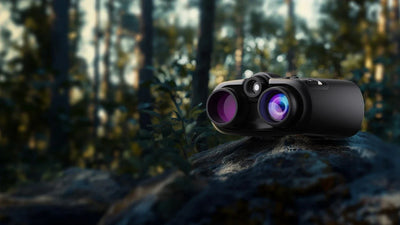
Choosing the right night vision goggles can be confusing.
With so many specifications, features, and marketing claims, it's easy to focus on the wrong details. Some devices advertise impressive zoom numbers, extended viewing distances, or high-resolution displays—but how do you know which features actually matter?
The best night vision goggles are not necessarily the ones with the biggest numbers. They are the ones that match your intended use.
Whether you're interested in hunting, wildlife observation, camping, hiking, or property monitoring, this guide will help you understand the key factors to consider before buying.
1. Understand Digital Night Vision vs. Traditional Night Vision
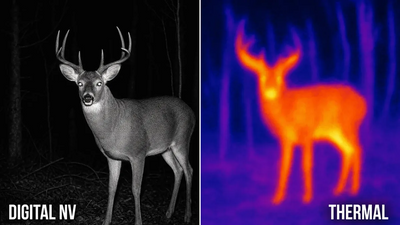
The first decision is choosing between digital night vision and traditional image intensifier systems.
Digital Night Vision
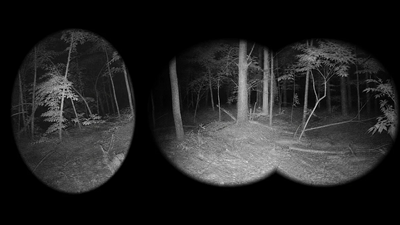
Digital night vision goggles use electronic image sensors to capture available light and infrared illumination.
Advantages include:
- Photo and video recording
- Durable digital design
- No risk of image tube damage from bright light exposure
- Easy-to-use displays
- Rechargeable battery systems
Digital night vision has become popular among outdoor enthusiasts because it offers a practical balance of performance, features, and affordability.
Traditional Night Vision
Traditional night vision uses image intensifier tubes to amplify available light.
These systems are commonly used in specialized applications and can offer excellent low-light performance, but they are usually more expensive and may require more careful handling.
For most consumers, digital night vision goggles provide a more accessible option for outdoor activities.
2. Consider Your Required Viewing Range
Viewing range is one of the most important specifications when choosing night vision goggles.
However, advertised range numbers should always be considered with real-world conditions in mind.
Actual viewing distance depends on:
- Infrared illumination
- Weather conditions
- Ambient light
- Target size
- Image quality
For example:
- Short-range viewing is often enough for camping, hiking, and backyard observation.
- Longer-range performance is useful for wildlife observation, hunting, and monitoring larger properties.
Choose a device based on where you actually plan to use it—not only the maximum number on the product page.
3. Pay Attention to Infrared Illumination
Infrared (IR) illumination is essential for digital night vision in complete darkness.
Without enough infrared light, even a high-quality sensor cannot capture a clear image.
When comparing devices, consider:
- IR wavelength
- Adjustable IR brightness
- Illumination distance
- Battery impact
Two common IR wavelengths are:
- 850nm IR — provides strong illumination and longer effective range.
- 940nm Invisible IR — provides a more discreet viewing experience because it is invisible to the naked eye.
The right choice depends on whether you prioritize maximum range or reduced visible infrared glow.
4. Understand Digital Zoom
Digital zoom is one of the most misunderstood features of night vision goggles.
Unlike optical zoom, digital zoom enlarges the image captured by the sensor.
This means:
- Higher zoom does not automatically mean better image quality.
- Proper focus is more important than maximum magnification.
- Sensor quality and image processing affect the final result.
A well-designed digital zoom system can be useful for observing distant subjects, but it should work together with good optics and a sensitive sensor.
5. Battery Life Matters Outdoors
Night vision goggles are often used away from convenient charging locations, making battery capacity an important consideration.
Battery usage depends on:
- IR brightness
- Screen brightness
- Recording functions
- Operating temperature
A larger battery provides more flexibility for longer outdoor sessions.
For occasional evening use, a smaller battery may be sufficient.
For overnight observation, hunting trips, or extended outdoor activities, a higher-capacity battery provides additional confidence.
6. Consider Recording Features
Modern digital night vision goggles often include photo and video recording.
Recording can be useful for:
- Capturing wildlife activity
- Reviewing observations
- Sharing outdoor experiences
- Documenting property monitoring
Some models also include audio recording, allowing users to capture additional details during video recording.
7. Choose Features Based on Your Activity
Different users need different features.
For Camping and Hiking
Look for:
- Easy operation
- Comfortable viewing
- Reliable battery life
- Lightweight design
For Wildlife Observation
Consider:
- Longer viewing range
- Good low-light performance
- Adjustable IR settings
- Recording capability
For Hunting
Important features may include:
- Clear image quality
- Comfortable extended viewing
- Reliable battery performance
- Appropriate IR wavelength
For Farm Security
Consider:
- Viewing distance
- Battery capacity
- Weather resistance
- Easy operation during nighttime checks
Final Thoughts
Choosing night vision goggles doesn't have to be complicated.
Instead of focusing only on the largest zoom number or longest advertised distance, consider how each feature affects your actual experience.
Viewing range, infrared illumination, battery life, image quality, and ease of use all work together to determine how well a device performs after dark.
The right night vision goggles are the ones that fit your environment, your activities, and the way you plan to use them.
Explore TELUHA Night Vision
Whether you're observing wildlife, camping outdoors, hunting, or monitoring your property, TELUHA offers digital night vision goggles designed for different outdoor applications.
Compare the TELUHA Explorer, Pro, and Pro Plus to find the model that best fits your needs.