Shopping for a night vision device can quickly become confusing.
Product pages often highlight impressive numbers and eye-catching descriptions, making it difficult to know which specifications actually affect real-world performance.
Instead of focusing only on marketing terms, here are the features that deserve your attention.
Look Beyond the Product Name
Terms like:
- Tactical
- Professional
- Military Style
- HD
- Ultra HD
don't always tell you how a device performs.
These descriptions may help explain a product's intended use or design, but they shouldn't be the primary reason for choosing one model over another.
Instead, compare measurable specifications.
Check the Viewing Range
Viewing distance is one of the most important specifications, but it should always be considered together with the testing conditions.
Factors that influence actual performance include:
- Ambient light
- Infrared illumination
- Weather
- Target size
A realistic specification is often more useful than the highest advertised number.
Understand the IR System
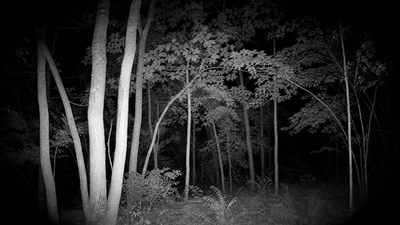
For digital night vision goggles, infrared illumination is just as important as the image sensor.
Consider:
- 850nm or 940nm infrared
- Adjustable IR brightness
- Viewing distance
- Battery consumption
These factors have a direct impact on nighttime performance.
Image Quality Is More Than Resolution
A higher resolution doesn't automatically produce a better image.
Image quality depends on several components working together, including:
- Sensor performance
- Lens quality
- Image processing
- Proper focus
- Infrared illumination
That's why two devices with similar resolutions may deliver noticeably different results in the field.
Battery Life Matters
Battery capacity affects how long you can stay outdoors without recharging.
When comparing products, consider both battery capacity and the manufacturer's stated runtime.
Keep in mind that actual operating time varies depending on IR brightness, recording, and display settings.
Read Real User Reviews
Product specifications tell only part of the story.
Reading reviews from people who have used a device for hunting, wildlife observation, camping, or property monitoring can provide valuable insight into real-world performance.
Whenever possible, look for reviews that include photos or videos taken with the device.
Ask Practical Questions
Before purchasing, consider asking:
- Is the viewing range suitable for my needs?
- Does it use 850nm or 940nm infrared?
- How long does the battery last?
- Does it support photo and video recording?
- Is it comfortable to use for extended periods?
Answering these questions often provides more useful information than marketing descriptions alone.
Final Thoughts
Choosing the right night vision device isn't about finding the biggest numbers or the boldest marketing claims.
Understanding viewing range, infrared performance, battery life, image quality, and real-world usability will help you make a more informed decision.
The best night vision device is the one that performs reliably in the situations where you actually use it.
Choose Based on Real Specifications
Instead of focusing on marketing terms, compare measurable features such as viewing range, infrared performance, battery life, and usability before making your decision.
Compare TELUHA night vision models using real-world specifications.