Buying a night vision device isn't just about choosing the highest zoom level or the biggest number on a spec sheet.
The features that truly affect nighttime performance are often the ones buyers overlook. Understanding what each specification actually means will help you choose a device that matches your needs instead of relying on marketing claims.
Whether you're observing wildlife, monitoring your property, camping after dark, or exploring the outdoors, here are the specifications that matter most.
1. Night Vision Range
Night vision range is one of the first specifications buyers compare, but advertised numbers don't always tell the whole story.
Actual viewing distance depends on several factors, including ambient light, infrared illumination, weather conditions, and the size of the object you're observing.
As a general guide:
- Around 984 ft (300 m) is suitable for casual outdoor activities, camping, and home or property monitoring.
- Up to 1,968 ft (600 m) provides greater flexibility for wildlife observation, larger properties, and extended nighttime viewing.
A longer viewing range gives you more time to identify subjects before they move or disappear into the darkness.
2. Digital Zoom
Digital zoom enlarges the image captured by the sensor rather than increasing optical magnification.
While higher zoom levels can help bring distant subjects closer, image quality depends just as much on the sensor, optics, and image processing as it does on the zoom level itself.
Instead of choosing a device based only on the largest zoom number, look for a well-balanced combination of:
- High-quality optics
- A sensitive image sensor
- Effective image processing
- Smooth digital zoom performance
A well-designed digital zoom system provides a more useful viewing experience than simply increasing magnification.
3. Infrared Illumination
Digital night vision relies on infrared (IR) illumination to operate in complete darkness.
The two most common infrared wavelengths are 850nm and 940nm, each offering different advantages.
850nm IR
- Longer effective illumination distance
- Widely used across digital night vision devices
- Emits a faint red glow that may be visible when viewed directly
940nm Invisible IR
- Invisible to the naked eye
- Better suited for discreet nighttime observation
- Typically provides slightly shorter illumination distance than comparable 850nm systems
The right choice depends on whether maximum viewing distance or complete concealment is more important for your application.
4. Battery Capacity
Night vision devices consume power continuously while operating, especially when infrared illumination, video recording, and high screen brightness are enabled.
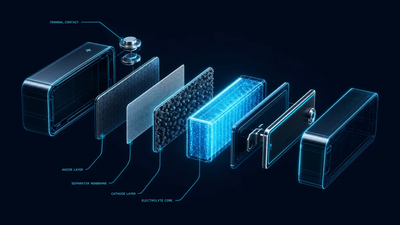
Battery capacity directly affects how long you can stay in the field without recharging.
A 5,000mAh battery is generally sufficient for occasional nighttime use, while a 10,000mAh battery provides significantly longer operating time for extended outdoor activities.
Keep in mind that actual runtime varies depending on factors such as IR brightness, display settings, recording functions, and overall usage.
5. Video and Audio Recording
Most modern digital night vision devices allow users to capture photos and record videos.
Some models also include a built-in microphone, allowing audio to be recorded alongside video footage. This can be useful for documenting wildlife sounds, recording field observations, or creating more complete outdoor videos.
If recording is an important part of how you use your night vision device, it's worth checking whether audio recording is supported.
Choosing the Right Night Vision Device
The best night vision device isn't necessarily the one with the biggest numbers—it's the one that fits your intended use.
Casual Outdoor Activities
For camping, hiking, occasional wildlife observation, or checking your property after dark, prioritize ease of use, comfortable viewing, and reliable battery life.
Frequent Nighttime Observation
If you regularly observe wildlife, monitor large properties, or spend long hours outdoors, consider models with longer viewing distance, larger battery capacity, and stronger infrared performance.
Professional Applications
For demanding environments where image quality and reliability matter most, look for devices that combine long viewing range, sensitive image sensors, invisible 940nm IR options, and extended battery life.
Final Thoughts
Specifications are useful—but only when you understand what they actually mean.
Rather than focusing on the highest zoom level or the longest advertised distance, consider how features like viewing range, infrared illumination, battery capacity, image quality, and recording functions work together in real-world conditions.
Choosing a night vision device based on your actual needs will almost always deliver a better experience than chasing the biggest numbers.
Choose Features That Matter
The best night vision device isn't necessarily the one with the biggest numbers—it's the one that matches your intended use. Compare key features such as viewing range, infrared technology, battery capacity, and image quality before making your decision.
Compare the TELUHA Explorer, Pro, and Pro Plus to find the model that best fits your outdoor activities.