One of the biggest concerns when using digital night vision goggles is battery life.
Whether you're observing wildlife, monitoring your property, camping, or hunting after dark, a longer battery runtime means more time spent exploring—and less time worrying about recharging.
Fortunately, extending battery life is easier than many users think.
Here are five practical tips to help you get the most from your night vision device.
1. Adjust Your IR Brightness
The infrared (IR) illuminator is one of the largest power consumers in any digital night vision device.
Using the highest IR level isn't always necessary.
For nearby subjects, lower IR settings often provide plenty of illumination while using significantly less power.
Increase the IR brightness only when viewing more distant objects or operating in complete darkness.
2. Reduce Screen Brightness
Your display also has a noticeable impact on battery life.
If you're using your night vision goggles in a very dark environment, a bright screen usually isn't necessary.
Lowering the display brightness to a comfortable level can help reduce power consumption while remaining easy to view.
3. Turn Off the Device When Not in Use
Many users leave their night vision device powered on during breaks or while walking between observation points.
Powering the device off when it isn't actively being used is one of the easiest ways to extend battery life.
Most modern digital night vision devices restart quickly, making this a simple habit worth developing.
4. Record Only When Needed
Recording photos and videos uses additional processing power and storage.
If you're simply observing wildlife or monitoring an area, turning off continuous recording can help conserve battery life for longer outdoor sessions.
When you do need to capture footage, recording only important moments is often the most efficient approach.
5. Consider the Weather
Cold temperatures can reduce battery performance in nearly all rechargeable electronic devices.
If you're heading outdoors during winter, keep your night vision device in a protected location before use and avoid exposing it to extremely low temperatures for extended periods whenever possible.
This simple step can help maintain more consistent battery performance.
How Much Battery Capacity Do You Need?
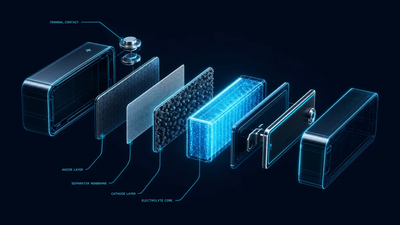
Battery capacity should match how you plan to use your night vision device.
For occasional outdoor activities, shorter observation sessions, or property monitoring, a 5,000mAh battery is often sufficient.
For overnight wildlife observation, extended hunting trips, or longer outdoor adventures, a 10,000mAh battery provides additional runtime and greater flexibility.
Remember that actual battery life varies depending on factors such as IR brightness, screen brightness, recording, and operating temperature.
Final Thoughts
Good battery management isn't complicated.
By adjusting your IR brightness, reducing screen brightness, powering the device off when it's isn't needed, limiting unnecessary recording, and understanding how weather affects battery performance, you can significantly extend your operating time in the field.
A few small adjustments often make a noticeable difference during long nights outdoors.
Stay Powered Longer Outdoors
Long battery life is essential for camping, hunting, wildlife observation, and overnight monitoring. Choosing the right battery capacity makes every outdoor trip more reliable.
Compare battery capacity and runtime across the TELUHA lineup.