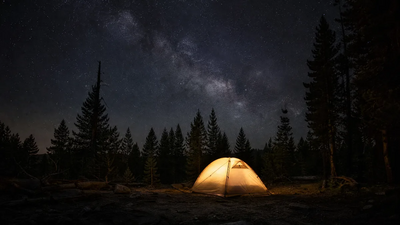
When the sun goes down, the outdoors doesn't stop.
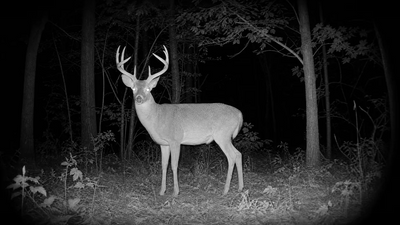
Many animals become more active after dark, making nighttime a unique opportunity for wildlife observation, property monitoring, and hunting activities where permitted.
However, nighttime environments create new challenges. Visibility is limited, distances can be difficult to judge, and familiar landscapes can look completely different in darkness.
Using the right techniques and understanding your night vision device can make a significant difference.
1. Use Your IR Illuminator Effectively
Digital night vision goggles rely on infrared (IR) illumination when natural light is limited.
While IR light is invisible to humans, using the correct IR level is important for maintaining image quality and avoiding unnecessary brightness.
Start with a lower IR setting when scanning nearby areas.
Increase the IR level when:
- Observing farther distances
- Viewing in complete darkness
- Looking across open fields
Using only the amount of infrared light you need can help maintain better contrast and preserve battery life.
2. Avoid Tunnel Vision During Observation
Nighttime observation requires patience and awareness.
When focusing on a specific area for too long, it's easy to miss movement outside your immediate view.
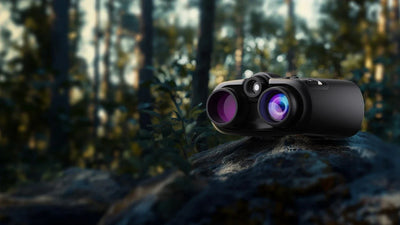
Digital night vision binoculars with larger displays can provide a more comfortable viewing experience during longer observation sessions.
Benefits include:
- Reduced eye fatigue
- Easier scanning of larger areas
- More comfortable extended use
For wildlife observation, the ability to comfortably monitor an environment over time can be just as important as maximum viewing distance.
3. Understand Your Viewing Distance
Different environments require different approaches.
Dense forests, trails, and wooded areas often require shorter-range observation with frequent scanning.
Open fields and large properties benefit from longer viewing distance and stronger infrared performance.
Before heading outdoors, consider:
- The size of your observation area
- Typical viewing distances
- Available lighting conditions
- How long you plan to stay outside
Choosing a device that matches your environment will provide a better experience.
4. Record Your Outdoor Experiences
Many digital night vision devices can capture photos and videos, allowing you to review observations later.
Video recording can be useful for:
- Documenting wildlife activity
- Reviewing animal movement patterns
- Sharing outdoor experiences
Some models also include audio recording, providing additional context when capturing videos.
Choosing the Right Night Vision Device
Different users have different needs.
For Shorter-Range Observation
A compact and easy-to-use device is often ideal for wooded areas, trails, and casual outdoor activities.
For Longer-Distance Viewing
Users observing large fields, farms, or open landscapes may benefit from:
- Longer viewing range
- Stronger infrared performance
- Larger battery capacity
For Discreet Observation
Models with 940nm invisible IR provide an advantage when minimizing visible infrared glow is important.
Final Thoughts
Successful nighttime observation is about more than having powerful equipment.
Understanding your environment, using the right IR settings, maintaining awareness, and choosing a device that matches your needs will help you get better results after dark.
Whether you're observing wildlife, exploring outdoors, or monitoring your property, modern digital night vision makes the nighttime world more accessible than ever.
Ready for Your Next Night Hunt?
Successful night hunting depends on more than equipment—it also requires choosing the right viewing range, infrared mode, and battery capacity for your environment.
Compare the TELUHA Explorer, Pro, and Pro Plus to find the model that fits your hunting style.