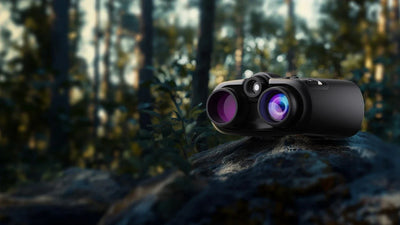
When choosing nighttime equipment, one of the biggest questions is whether to choose digital night vision or thermal imaging.
Both technologies can help you see after dark, but they work in completely different ways.
The right choice depends on what you need to see, where you plan to use it, and whether you prioritize identifying details or detecting movement.
How Digital Night Vision and Thermal Imaging Work
The biggest difference between these technologies is the type of information they capture.
Digital Night Vision: Seeing Details in Darkness
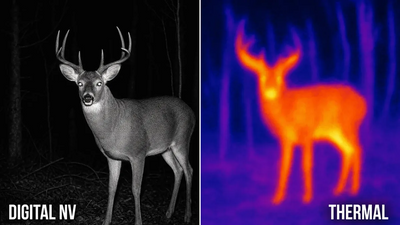
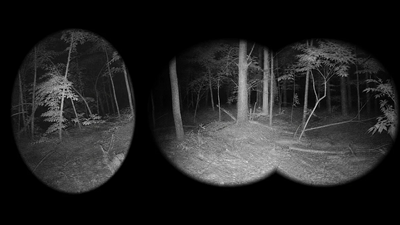
Digital night vision uses a sensitive image sensor to capture available light and infrared illumination.
The result is a detailed image that looks similar to natural vision, allowing you to see:
- Shapes
- Edges
- Objects
- Terrain details
- Environmental features
For activities where identifying what you're looking at matters, digital night vision provides a familiar viewing experience.
Thermal Imaging: Detecting Heat
Thermal imaging detects temperature differences instead of visible light.
Instead of showing traditional details, thermal displays heat signatures.
This makes thermal excellent for:
- Detecting warm objects
- Finding animals
- Scanning large areas quickly
However, thermal images may provide less environmental detail compared with digital night vision.
Which Technology Fits Your Needs?
Rather than asking which technology is better, consider what you actually need to accomplish.
| Situation | Best Choice |
|---|---|
| Camping and hiking | Digital Night Vision |
| Property monitoring | Digital Night Vision |
| Wildlife observation | Both can be useful |
| Finding animals quickly | Thermal Imaging |
| Identifying objects clearly | Digital Night Vision |
| Large open-area scanning | Thermal Imaging |
Detail vs Detection: The Biggest Difference
The main advantage of digital night vision is identification.
For example:
- Is that a person, animal, or object?
- What is near the trail?
- What is inside the shed?
- What is moving near the property?
Digital night vision preserves textures and shapes, making it easier to understand your surroundings.
Thermal imaging is excellent at answering: "Is something there?"
Digital night vision is often better at answering: "What exactly is it?"
Why Digital Night Vision Works Well for Outdoor Use
For many outdoor enthusiasts, digital night vision provides a practical balance of performance and versatility.
Natural Image Understanding
Because digital night vision displays recognizable shapes and textures, users can quickly understand what they're seeing.
Day and Night Flexibility
Many digital night vision devices can be used in different lighting conditions, making them useful beyond nighttime observation.
Recording Capability
Digital night vision devices often support photo and video recording, allowing users to document wildlife, outdoor activities, and observations.
When Thermal Imaging Makes More Sense
Thermal imaging is a powerful tool for specific situations.
It can be especially useful when:
- Searching large open areas
- Detecting heat sources quickly
- Looking for animals in difficult visibility conditions
- Monitoring wide boundaries
For users who need rapid detection above all else, thermal can provide a major advantage.
Can You Use Both?
Many experienced outdoor users see night vision and thermal as complementary technologies.
Thermal can help locate a heat source.
Digital night vision can help identify details once you find it.
Together, they can provide a more complete nighttime observation setup.
Choosing the Right Night Vision Device
For most outdoor enthusiasts, camping trips, wildlife observation, hunting, and property monitoring, digital night vision provides an excellent balance of:
- Detail
- Range
- Recording capability
- Ease of use
- Value
The best choice depends on your specific environment and how you plan to use your equipment.
Final Thoughts
Digital night vision and thermal imaging are not competitors—they are different tools designed for different purposes.
If you need to identify objects, understand your surroundings, and capture detailed images, digital night vision is often the better choice.
If your priority is detecting heat sources across large areas, thermal imaging may be the right solution.
Understanding the difference helps you choose the technology that matches your real-world needs.
Find the Technology That Fits Your Needs
Digital night vision and thermal imaging serve different purposes. Understanding their strengths helps you choose the right solution for hunting, camping, wildlife observation, or property monitoring.
Compare the TELUHA lineup to see which model best matches your outdoor needs.